Skip to content
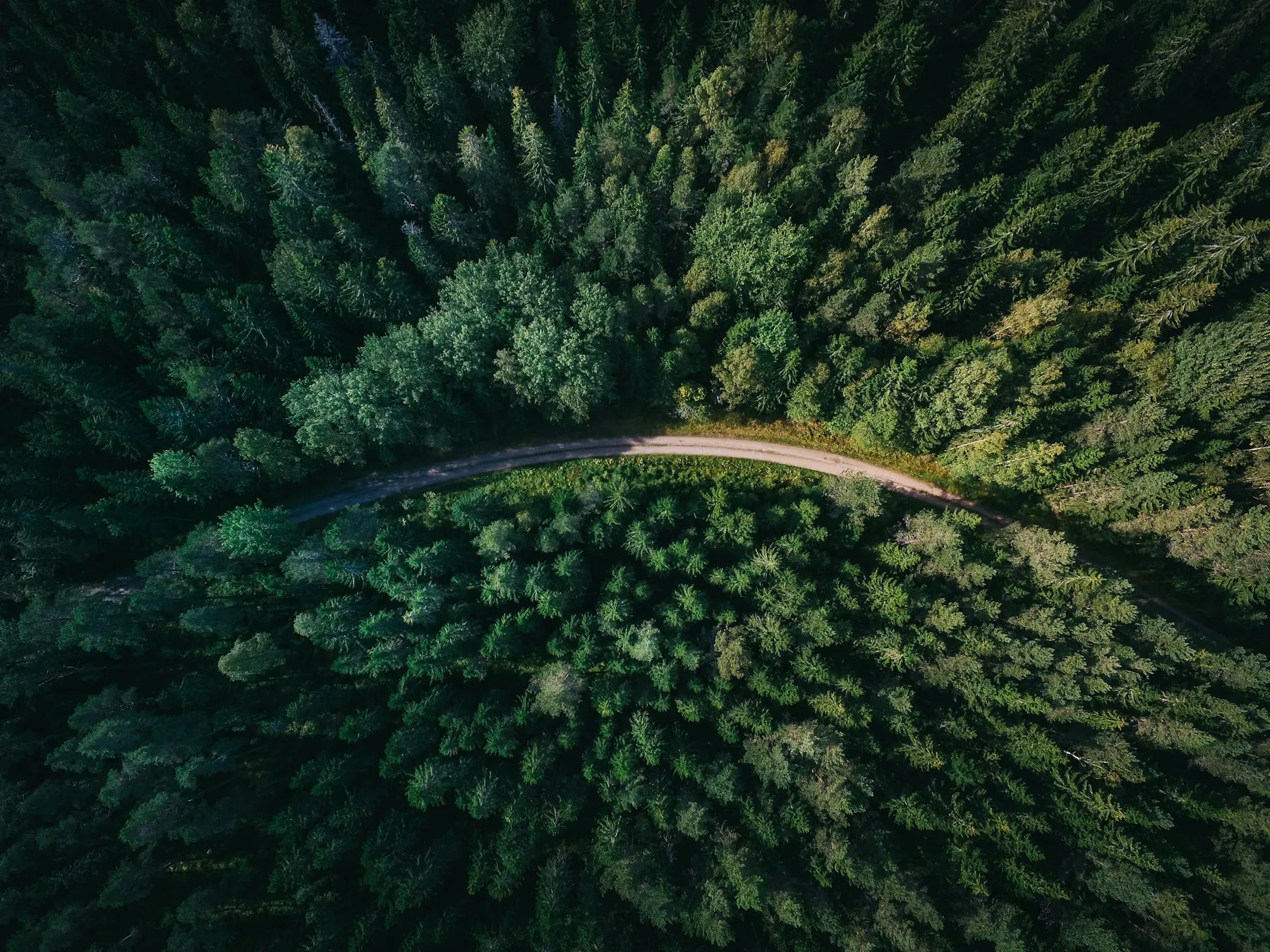
Aerial view of a road winding through a dense evergreen forest

The wild side of travel
Camping, van life & glamping

YouMori is an outdoor travel magazine for people who would rather wake up to birdsong than a hotel corridor. Honest guides, real costs, trips you can actually book.

About YouMori

Most outdoor advice is written from a desk.

YouMori started with that simple itch. We plan, book and sleep through every kind of trip we cover, then write down what worked, what it cost and what we would skip next time.

YouMori is an independent outdoor travel magazine covering camping, van life and glamping in the world's wildest places.

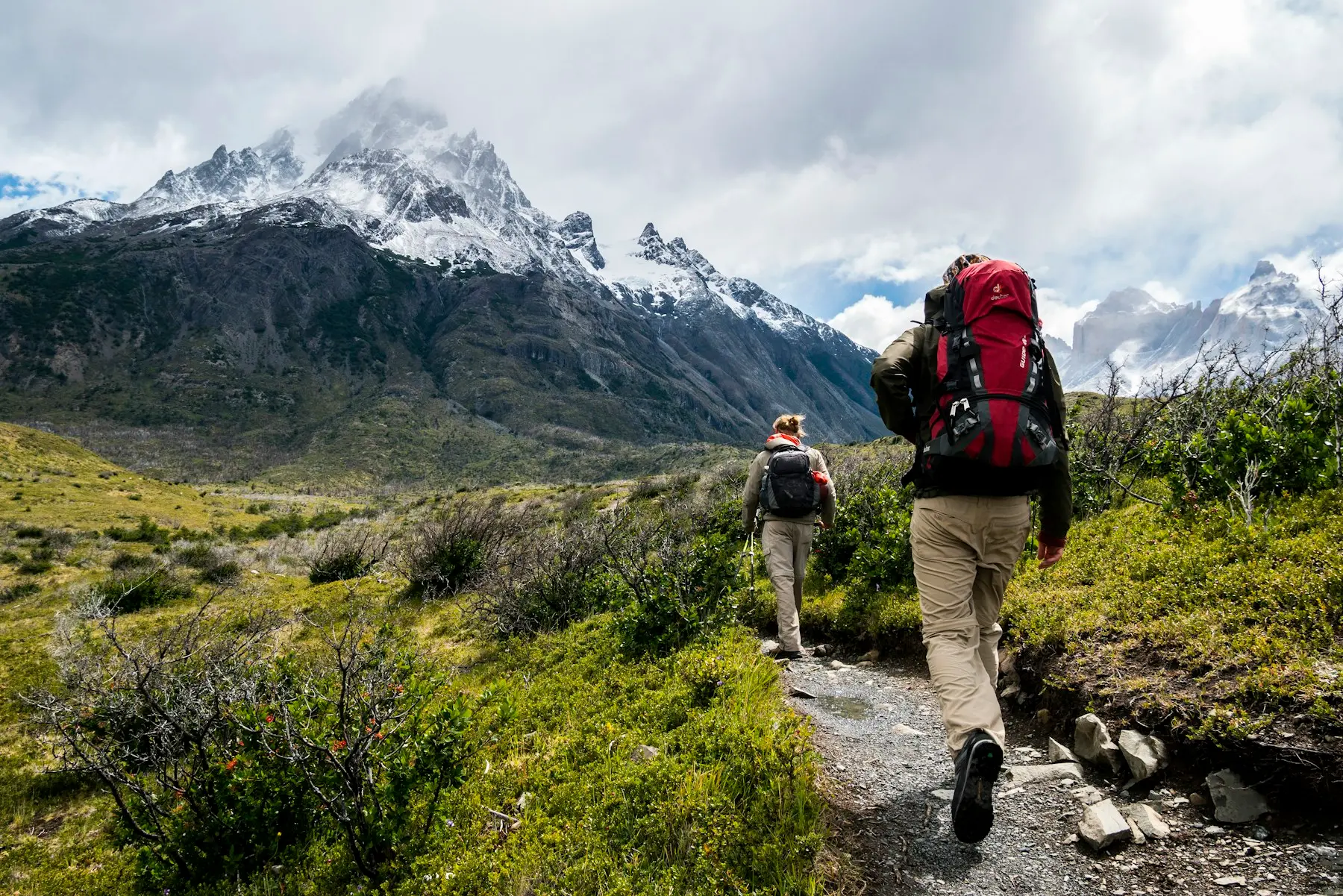
Two hikers walking a mountain trail with heavy backpacks
Plan your trip

What an outdoor trip actually needs
vans, stays, data and cover

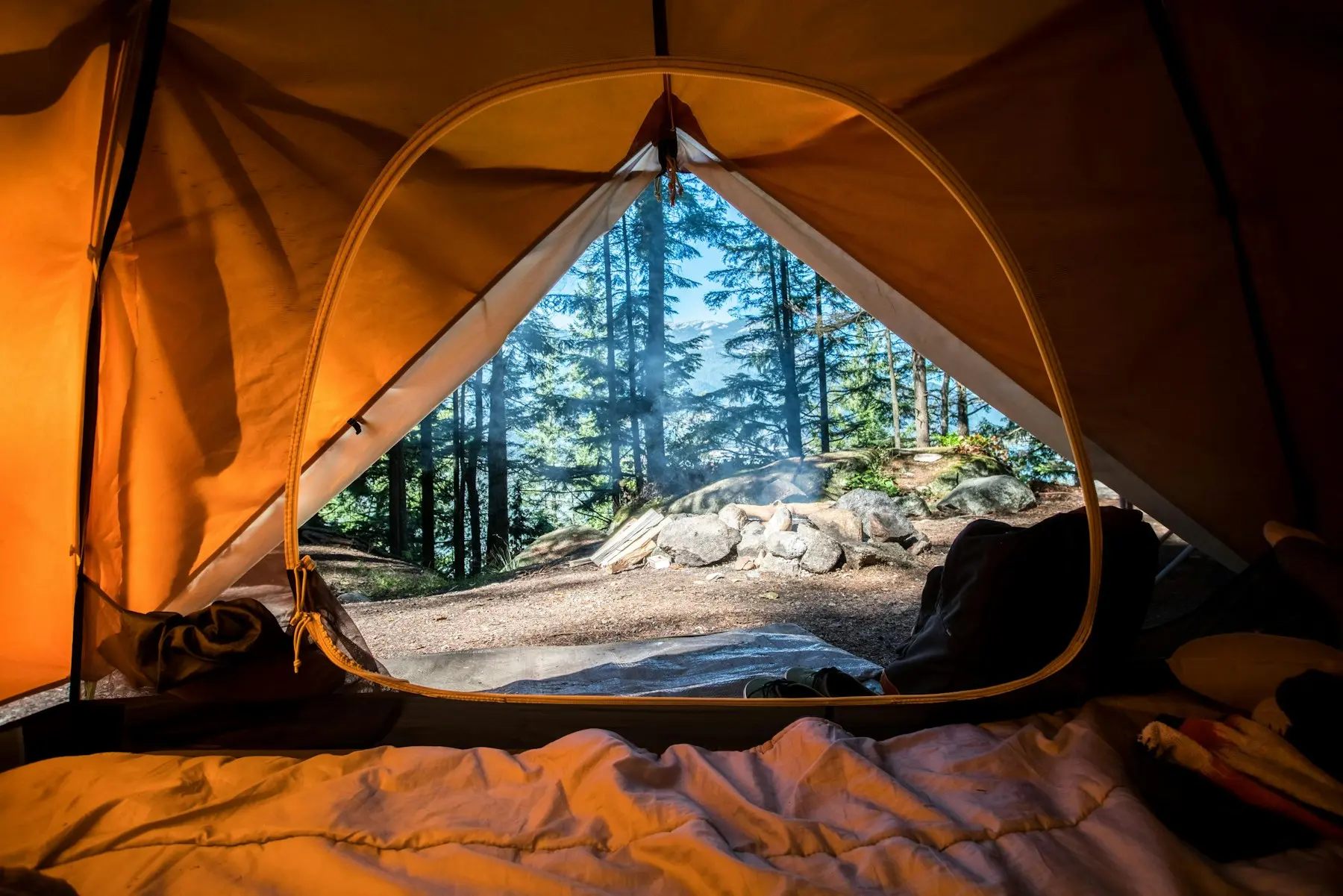
Cosy interior of a tent opening onto a forest at dusk

Domes, cabins, bell tents and treehouses

Glamping stays

Glamping is for the nights when you want a real bed, a hot shower and a wall of forest outside the window.

We look for stays that feel like the landscape they sit in, not a hotel room with a canvas roof, and we say clearly which ones earn their price.

What the listing does not say

The word glamping covers everything from a bare bell tent to a heated dome with a private hot tub. Read what is actually included before comparing prices.

The best sites sit on the edge of wild land: dark skies, walking trails from the door, no car needed once you arrive.

Book direct when the platform allows it for the same price. You get more flexibility if the weather forces a change of plans.

Travel map marked with colored pins along a planned route

Data that works past the last town

Travel eSIM for remote trips

Offline maps, weather windows, a campsite booking at the last minute: outdoor trips lean on data more than city breaks do.

A travel eSIM gets you on a local network in minutes, without hunting for a SIM card shop on arrival day.

Where the coverage drops

An eSIM uses the same masts as everyone else. Coverage in remote valleys depends on the network it connects to, so check the coverage map for your exact route.

Install and test the eSIM at home on wifi. Save your maps offline anyway: no network beats a dead battery and no signal.

Data-only plans are the norm. Keep your usual number active for calls and two-factor codes.

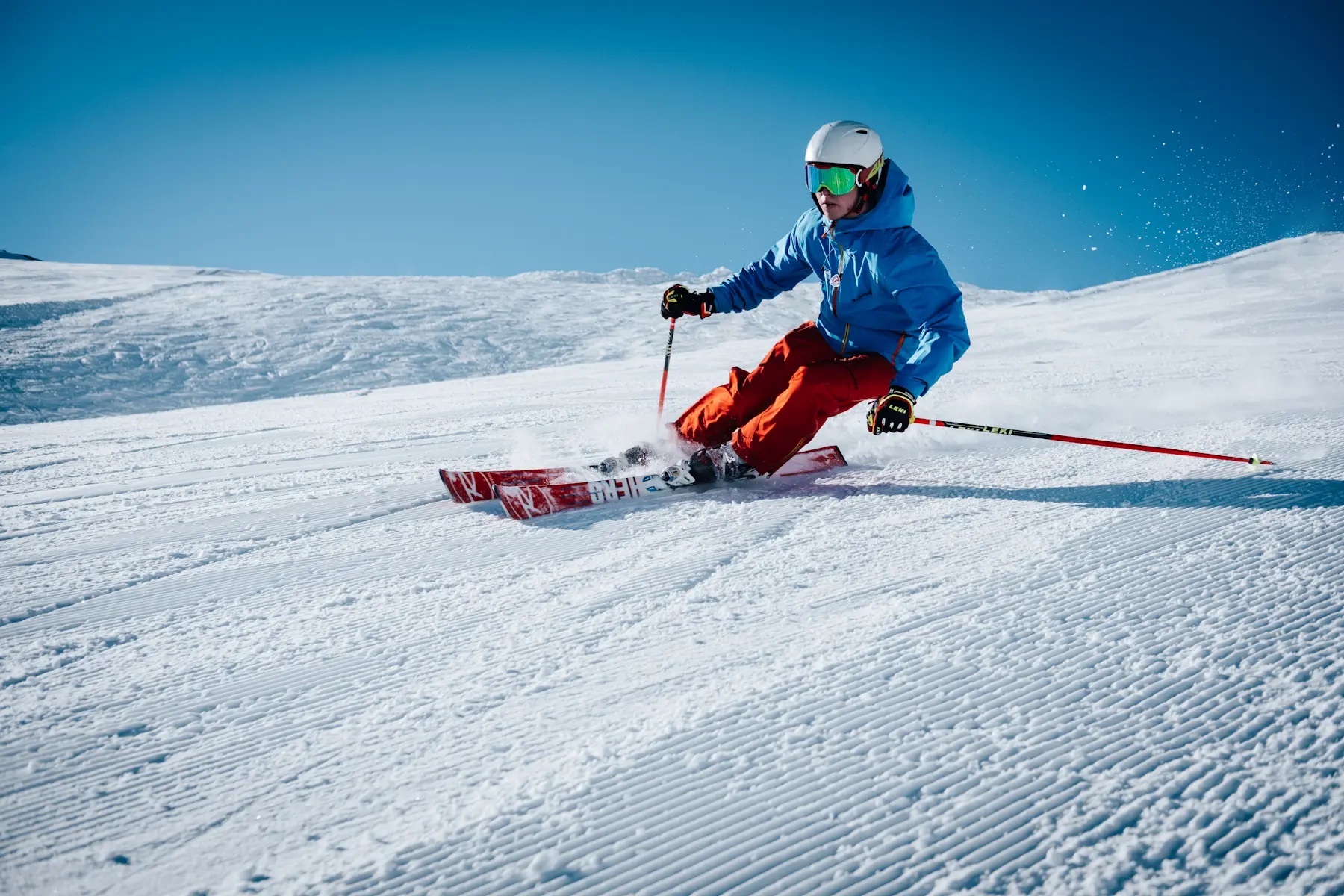
Skier carving through fresh snow on a bright day

Cover that does not stop at the trailhead

Travel insurance for the outdoors

A twisted ankle two hours from the road is a very different problem from a lost suitcase. Standard policies are not written for that.

We explain what outdoor travellers actually need covered: activities, altitude, gear and the rescue itself.

What policies leave out

Many base policies exclude activities they label adventure sports, and some cap the altitude they cover. Hiking, climbing and skiing often need an add-on.

Check whether search and rescue is included. In several countries a helicopter evacuation is billed to you, not to the state.

Read the gear clause: cameras, drones and e-bikes are often covered only up to a low per-item limit.

The journal

The latest guides
from camp and road

Two hikers walking a mountain trail with heavy backpacks
Skier carving through fresh snow on a bright day
How we work

From the pitch to the page

Every guide on YouMori is planned, booked and slept in before we write a word.

01

We travel like readers do. We book with our own money, at public prices, and we keep the receipts. When a stay or a platform disappoints, that goes in the guide too.

02

We rank for the trip, not for the brand. Comparisons start from what the trip needs: group size, season, budget, distance. The recommendation follows, never the other way around.

03

Guides get revisited. Prices drift, platforms change their fees, campsites close. When something no longer holds, we update the guide or say plainly that we have not re-checked it.

FAQ

Outdoor travel questions, answered

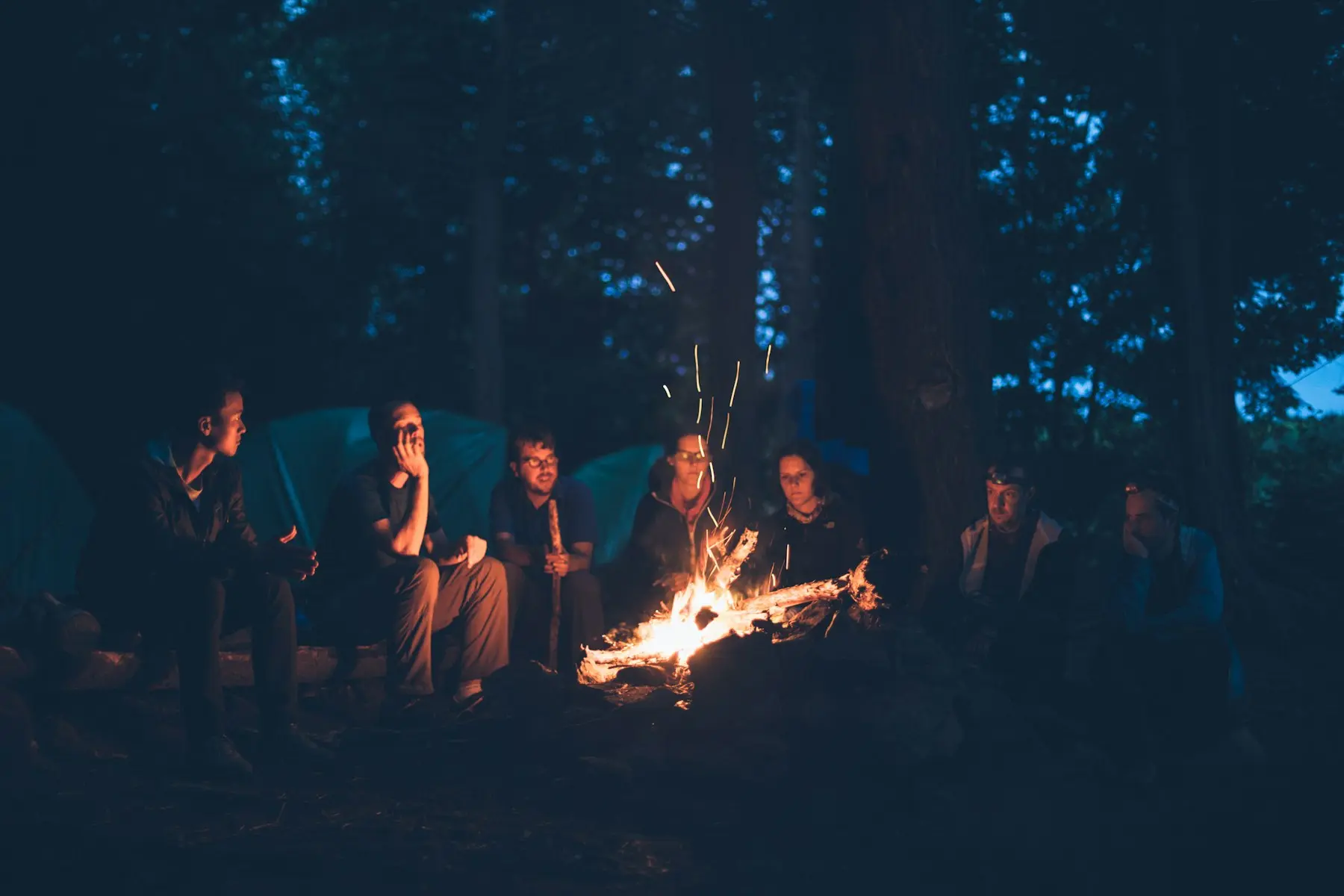
Group of friends gathered around a campfire at night

Camping means bringing and pitching your own shelter, from a backpacking tent to a family setup on a campsite. Glamping means the accommodation is already there and serviced: a dome, cabin, bell tent or treehouse with a real bed, and usually heating and a proper bathroom.

You trade some wildness and flexibility for comfort, and the price reflects that. Plenty of trips mix both.

Sometimes, but not automatically. A campervan replaces the hotel and the rental car in one price, and it shines when you move often or sleep in places without much accommodation.

It stops being cheap in high season on popular routes, or if you sleep only on serviced campsites. Compare the full cost: rental, fuel, campsite fees and extras like bedding or insurance excess reduction.

For most rental campervans and smaller motorhomes, a standard car licence is enough. The limit is usually the vehicle's weight: above a threshold that varies by country, you need a higher licence category.

Rental platforms list the required licence on each vehicle. Check it before booking rather than at pickup.

If your phone supports eSIM, it is usually the simplest option: you land with a working local data plan instead of hunting for a SIM shop.

Coverage in remote areas depends on the local network the eSIM uses, not on the eSIM itself. Check the provider's coverage map against your route, and keep offline maps saved regardless.

Often only partly. Many base policies exclude what they class as adventure sports, cap the altitude they cover, or leave out search and rescue costs.

Read the activity list on the policy, not the marketing page. If you plan to hike at altitude, climb, ski or dive, you will usually need an activity add-on or a policy built for the outdoors.

For July and August on well-known routes, the good vehicles go months ahead, and one-way rentals go first. Book early if your dates are fixed.

If you can travel in shoulder season or start from a less obvious city, you can book much later and pay noticeably less.